
Testing whether AI can extend furniture product imagery into lifestyle environments without compromising scale, materials, or brand identity
Introduction
Furniture and home interior brands rely heavily on contextual imagery. A chair is rarely photographed alone. A sofa exists within a living room. A lamp interacts with surfaces, textures, and lighting conditions.
Because of this, furniture photography is not just product documentation, it is environmental storytelling.
AI-generated imagery is increasingly being explored as a way to produce interior scenes faster and at lower cost. But in the furniture category, the margin for visual error is extremely small. Scale relationships, material behaviour, and lighting direction must all remain believable. If they fail, the image immediately feels artificial.
This article documents a controlled experiment: Can AI-assisted workflows extend furniture product imagery into realistic interior environments while preserving scale, material realism, and brand coherence?


Why AI Interior Imagery Often Fails
When AI is used without constraints, interior imagery typically breaks in predictable ways:
- Furniture proportions subtly change
- Material textures become inconsistent
- Lighting direction conflicts with the environment
- Spatial depth becomes unrealistic
- Styling overwhelms the product
These errors might not be obvious individually, but together they create images that feel visually unstable. For brands that rely on carefully curated interiors, this instability undermines credibility. Furniture photography requires spatial realism, not visual novelty.
A Controlled Environment Approach
Instead of generating interiors freely, this experiment begins with a simple constraint:
The product remains the visual anchor.
Existing product imagery provides the reference for:
- proportions
- materials
- colours
- geometry
AI is then used to extend the product into environments that remain visually plausible.
The workflow follows several rules:
- Product proportions must remain unchanged
- Material textures must remain consistent
- Lighting must match environmental logic
- Interior styling must support the product, not dominate it
- Environments must feel lived-in rather than staged
AI is treated as an environment extension tool, not a scene generator.
The Experiment Setup
For this pilot experiment, several furniture and interior objects were selected, including seating, lighting, and decorative elements.
Each object was tested across different environment types:
Neutral Interior Contexts
Minimal interiors designed to evaluate scale, lighting behaviour, and spatial coherence.
Lifestyle Environments
More complete interior scenes reflecting everyday home environments.
Editorial Styling Tests
Scenes exploring how the product interacts with decorative elements while preserving visual hierarchy.
Each image was evaluated according to criteria typically used by interior art directors:
- scale accuracy
- material realism
- lighting consistency
- spatial credibility
- brand alignment
The core question remained consistent: Would these images feel believable within a furniture brand’s visual ecosystem?
What Worked and What Required Restraint
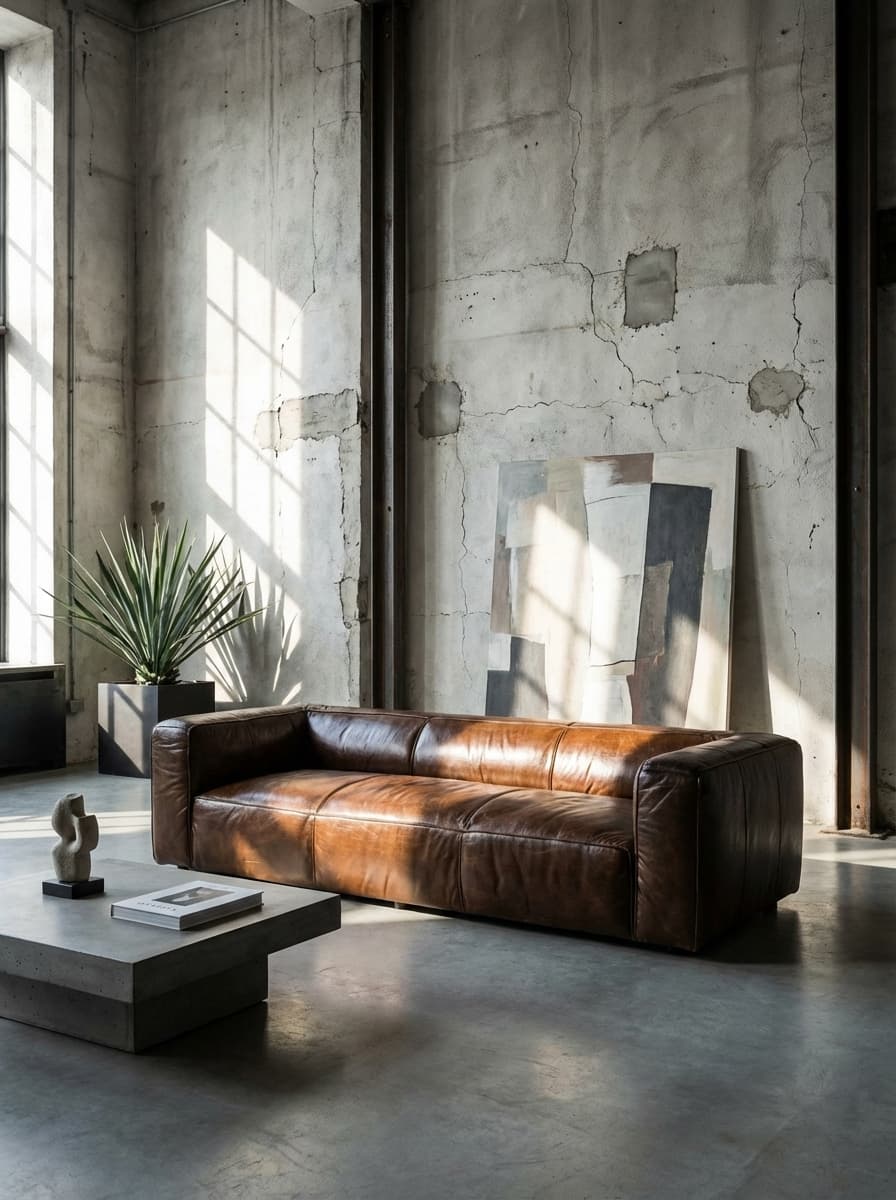


What worked
- Furniture proportions remained stable
- Natural daylight produced believable interior lighting
- Materials such as wood, fabric, and ceramics behaved realistically
- Environments supported the product rather than overpowering it
Where restraint was necessary
- Overly stylised interiors reduced credibility
- Decorative objects needed to remain secondary
- Artificial lighting effects weakened realism
- Spatial symmetry often felt unnatural
The most effective results emerged when the environment stayed calm and product-focused.
Where This Approach Makes Sense
A controlled AI workflow can support several use cases for furniture brands:
- PDP contextual imagery
- catalog extensions
- seasonal environment testing
- editorial content for CRM and social channels
It is not intended to replace:
- hero campaign photography
- flagship catalog productions
- highly art-directed interiors
The goal is controlled visual experimentation, not production replacement.
Why This Matters for Furniture Brands
Furniture brands invest heavily in visual environments because context drives purchase decisions.
Consumers want to see:
- scale within a room
- interaction with other materials
- lighting behaviour
- spatial atmosphere
AI-assisted imagery allows brands to explore these contexts more flexibly while maintaining strict product accuracy.
When used carefully, it becomes a decision-support layer for visual storytelling.
Final Thought
The question for furniture brands is not whether AI can generate interior scenes.
The real question is whether AI can operate within the same spatial discipline that governs interior photography. This experiment suggests that when product accuracy and environmental realism remain the priority, AI can responsibly extend furniture imagery into believable contexts.
That narrow intersection between realism and experimentation is where the technology becomes genuinely useful.
