Introduction
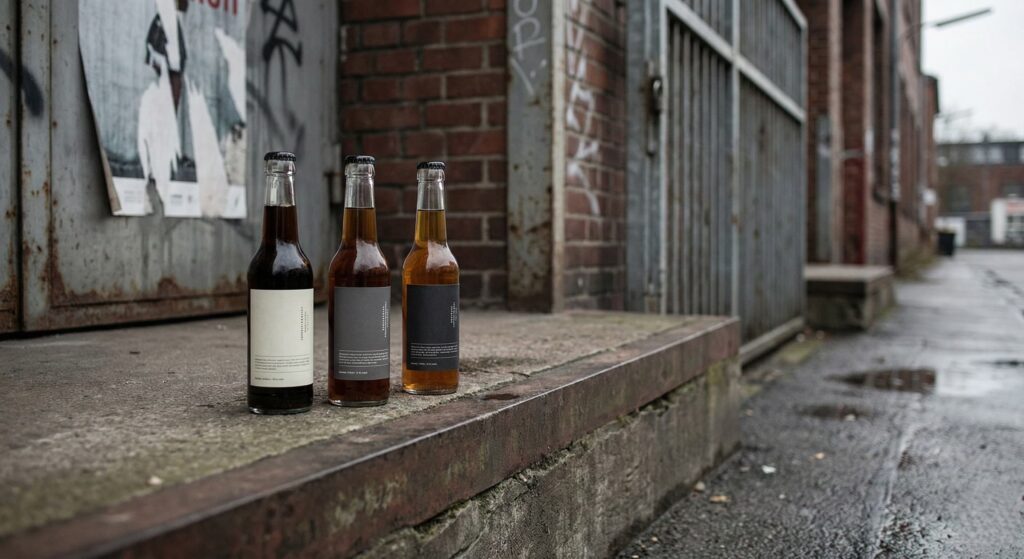
AI image generation has reached a point where almost anyone can create product visuals. That does not mean those visuals should be used commercially.
In beverage and FMCG categories, visual tolerance is extremely low. Small inaccuracies (distorted labels, unrealistic condensation, incorrect liquid density, implausible reflections…) immediately reduce credibility.
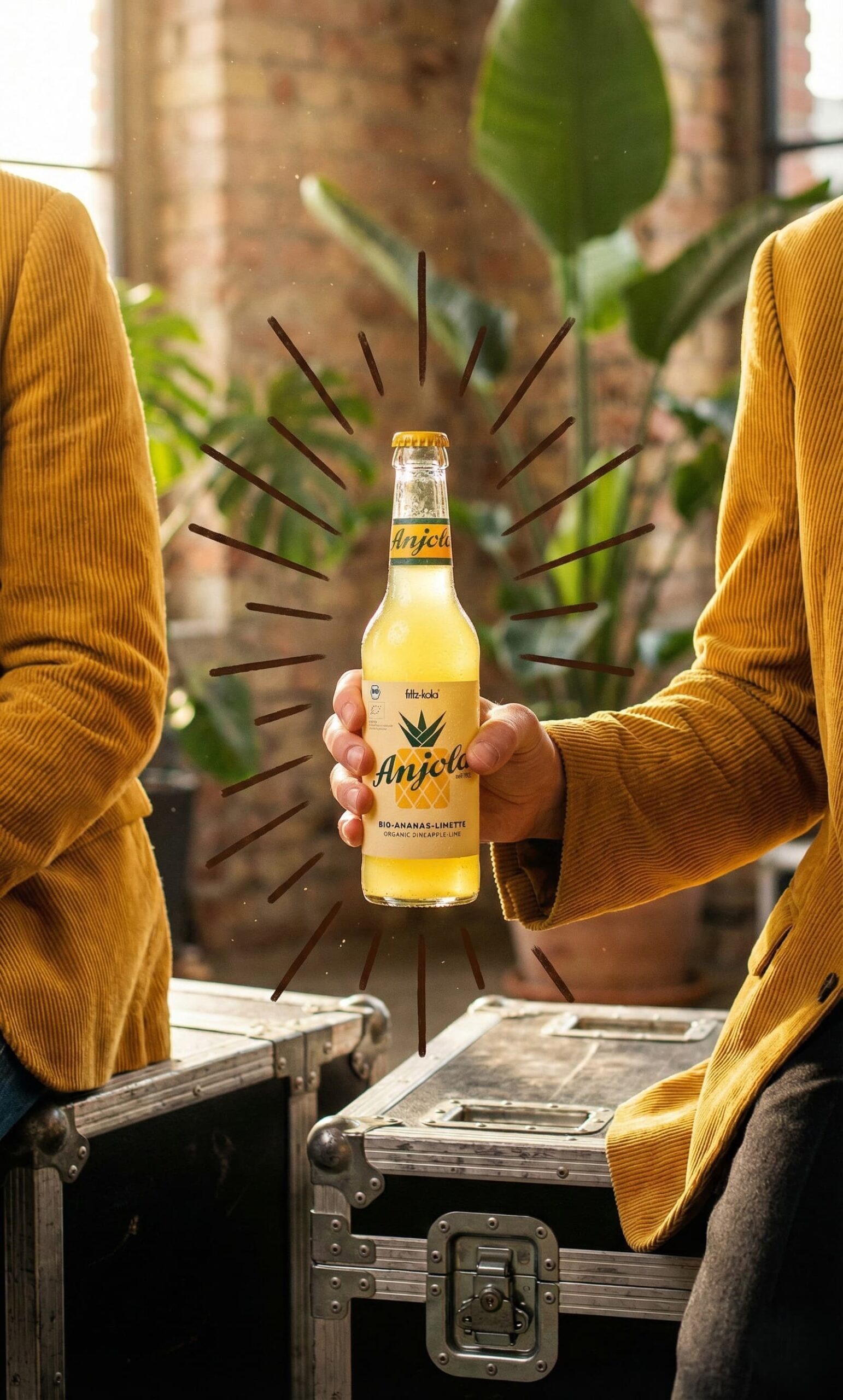
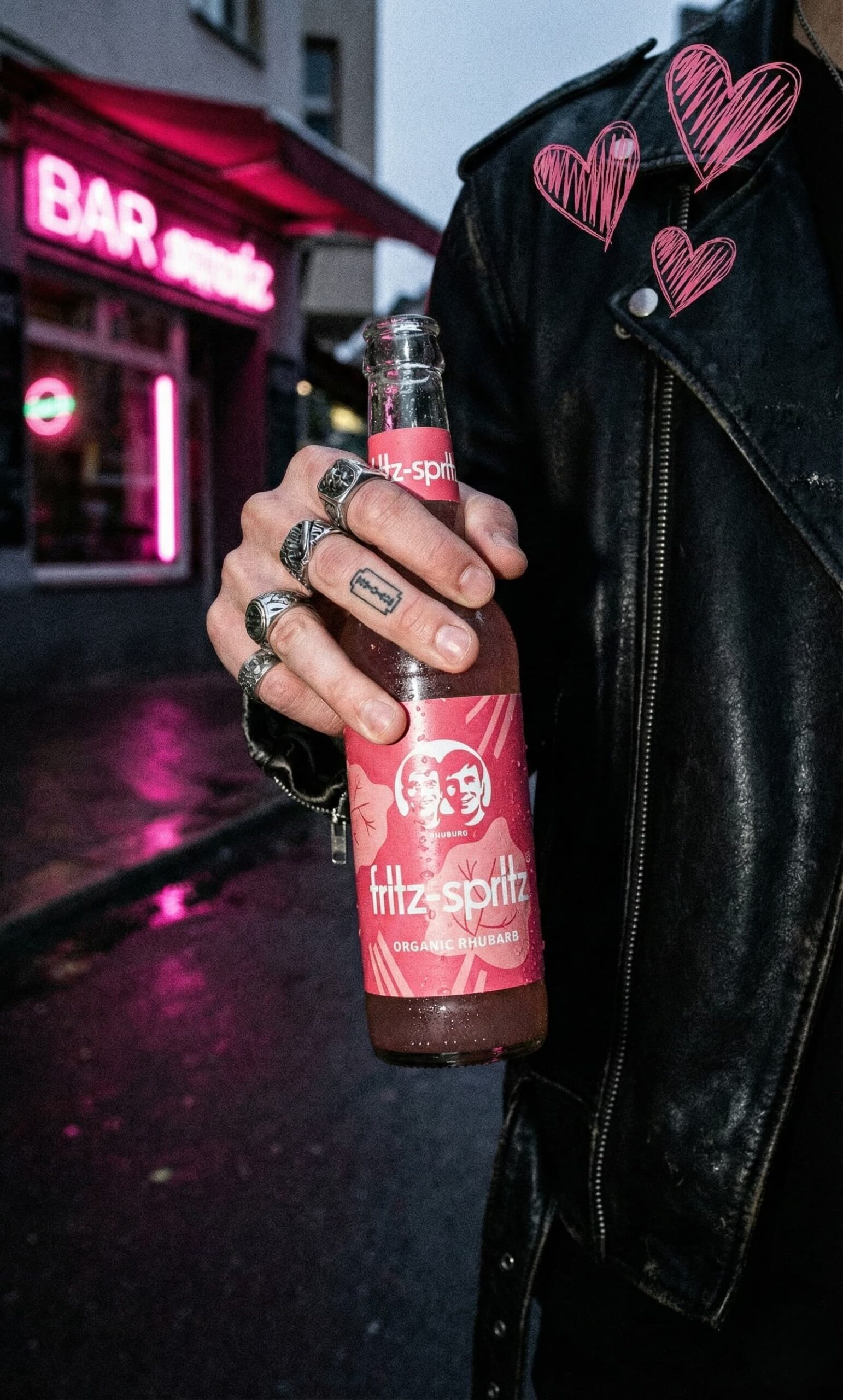
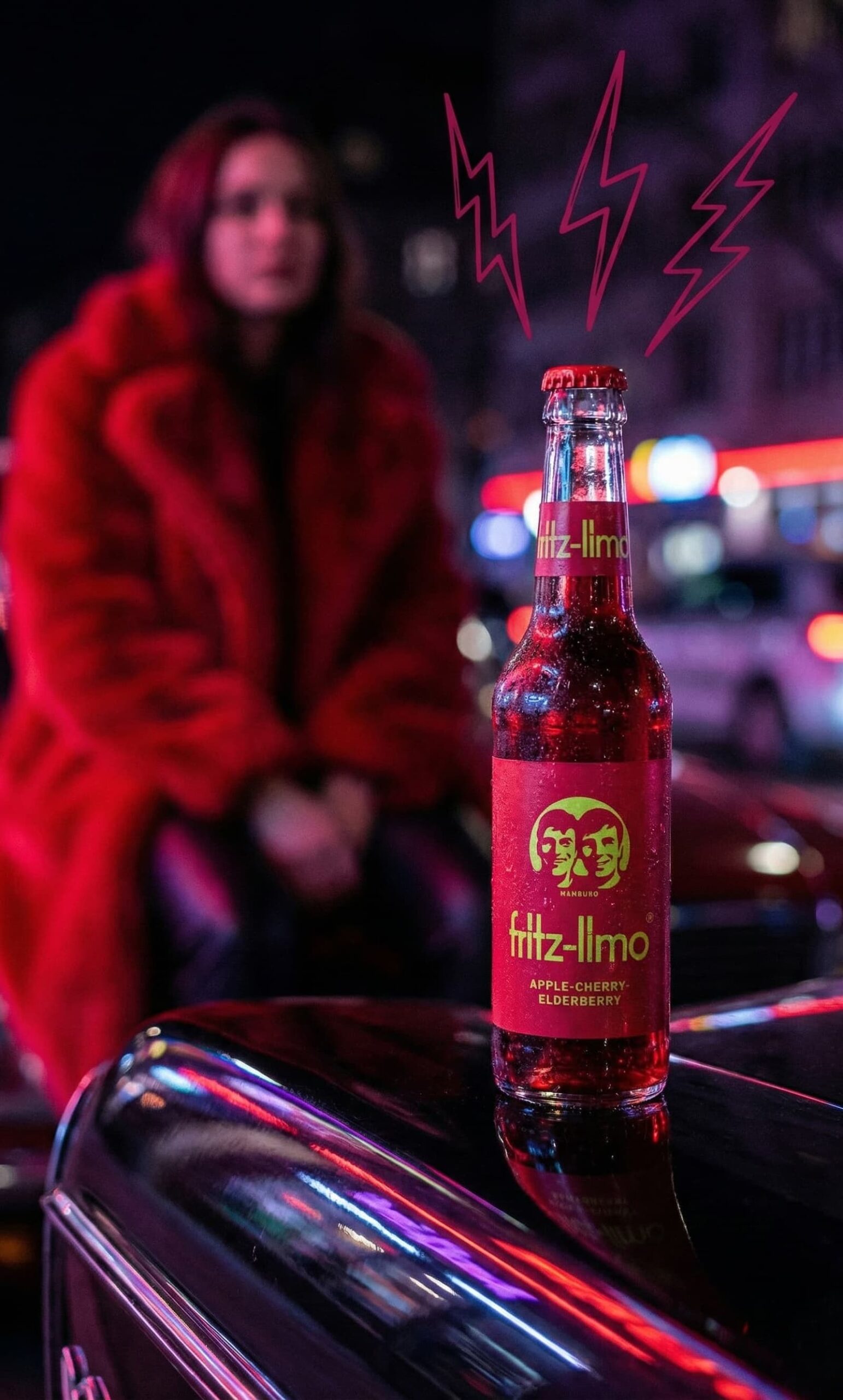
This article outlines the framework I use when testing AI-assisted lifestyle extensions for independent beverage brands, with a recent urban challenger brand pilot serving as structural reference.
The focus is not creativity. The focus is control.
Why Beverage Brands Are a High-Risk Category
Beverage photography is technically unforgiving:
- Glass surfaces expose lighting errors
- Liquids reveal subtle color inconsistencies
- Condensation often looks synthetic
- Labels must remain geometrically precise
- Scale distortion is immediately visible
Generic AI workflows collapse under these constraints. That is why I treat AI not as a replacement for photography, but as a constrained extension tool. From Instagram Original to AI Interpretations:
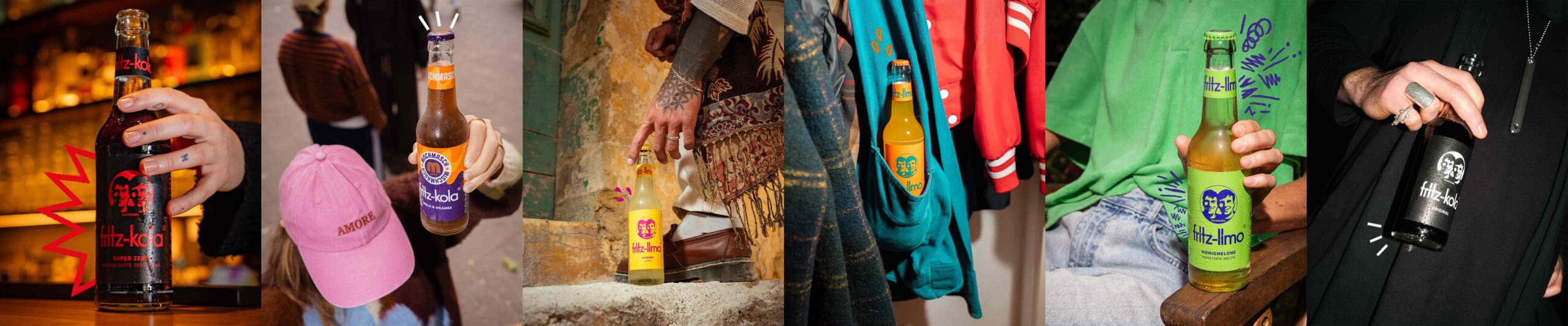
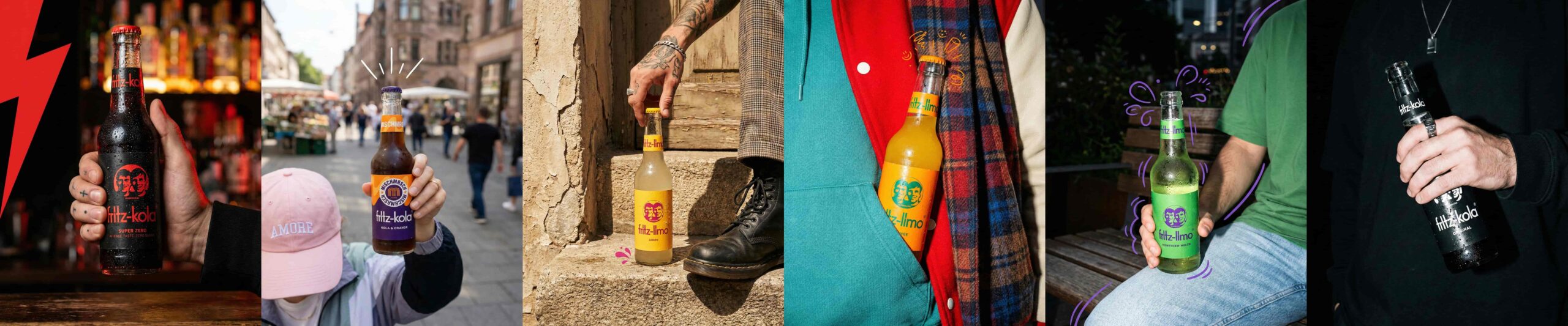
The Four Operational Constraints
Packaging Integrity Is Non-Negotiable
The bottle is a protected asset.
This includes:
- Exact silhouette and proportions
- Glass thickness
- Label placement and typography
- Cap design
- Liquid fill level
- Logo clarity
If the system begins to reinterpret or “improve” the packaging, the image is discarded. No embellishments. No stylization. No physical props covering the label.
Realism Over Spectacle
Highly polished AI visuals often look impressive and artificial. In beverage categories, realism wins.
That means:
- Imperfect flash lighting
- Subtle shadow falloff
- Natural surface noise
- Believable condensation behavior
- Texture consistency across materials
The objective is simple: The image should feel captured, not generated.
Cultural Context Must Be Plausible
A bottle does not exist in isolation.
Its credibility depends on:
- The surface it stands on
- The hand that holds it
- The environment that surrounds it
- The tone of light in that location
For Northern European urban brands, this often means:
- Documentary-style flash
- Understatement rather than glamour
- Authentic surfaces
- No artificial lifestyle staging
Context either supports the brand or exposes the generation.
Flavor Logic Must Remain Coherent
Variant-based beverage brands rely heavily on color systems.
Each flavor carries:
- A dominant label color
- A mood implication
- A cultural positioning
When extending visuals through AI, clothing, environment tones, and graphic overlays must support and not compete with that flavor logic. If the color relationship feels accidental, the image fails.
Why I Start With Controlled Pilots
Instead of proposing “AI campaigns,” I begin with tightly controlled pilot tests.
Each pilot typically explores three structured variables:
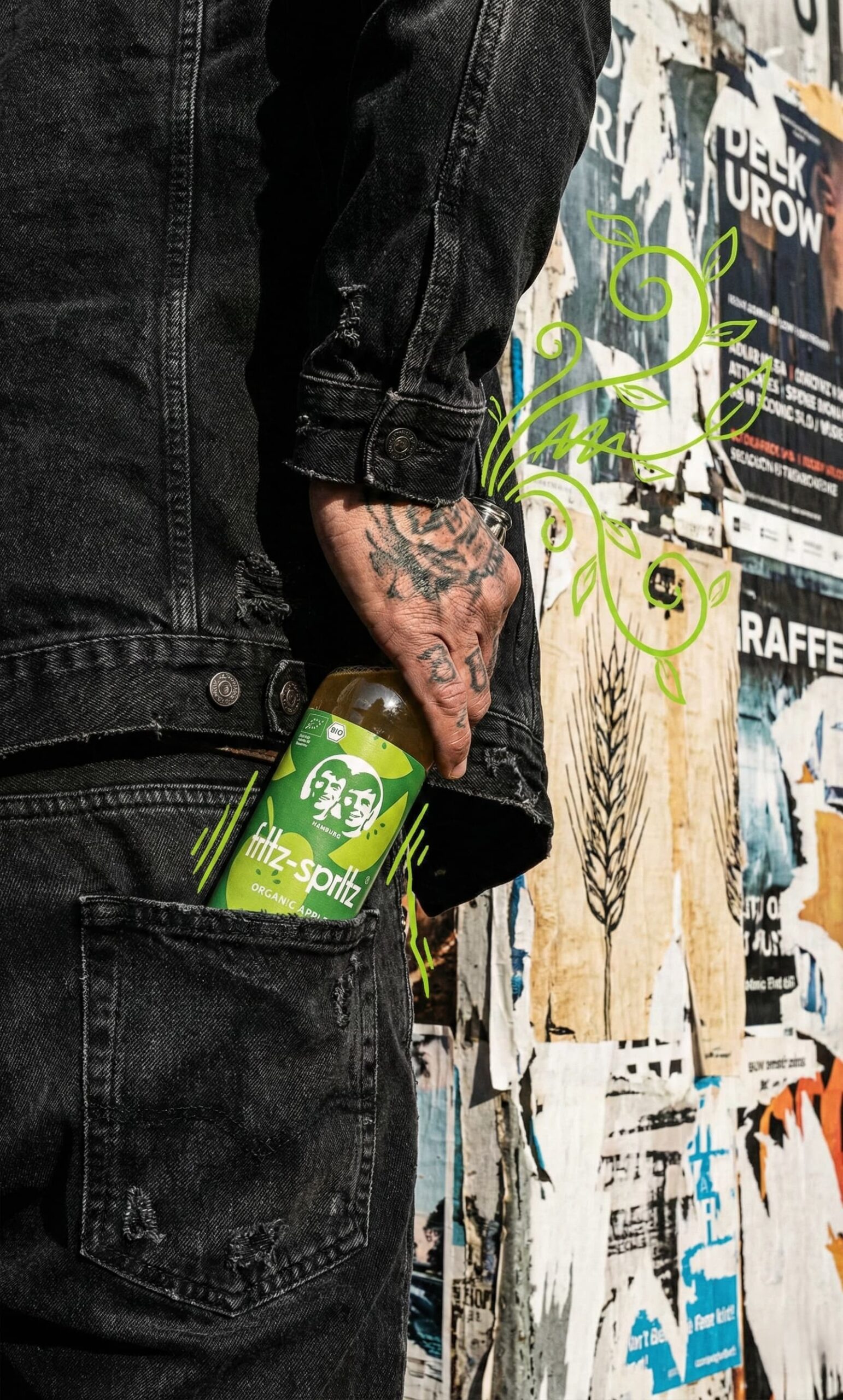
- Urban street embedding
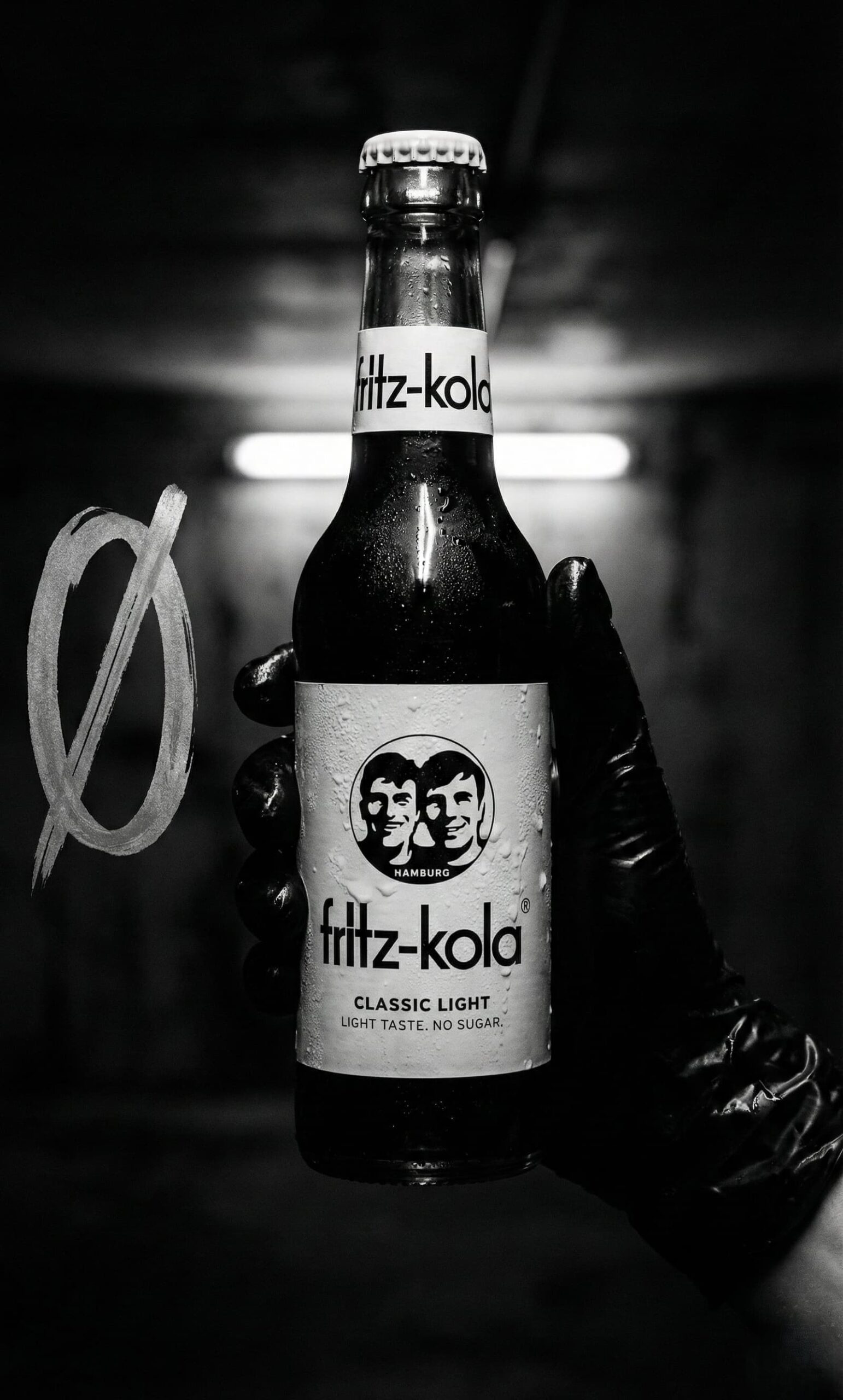
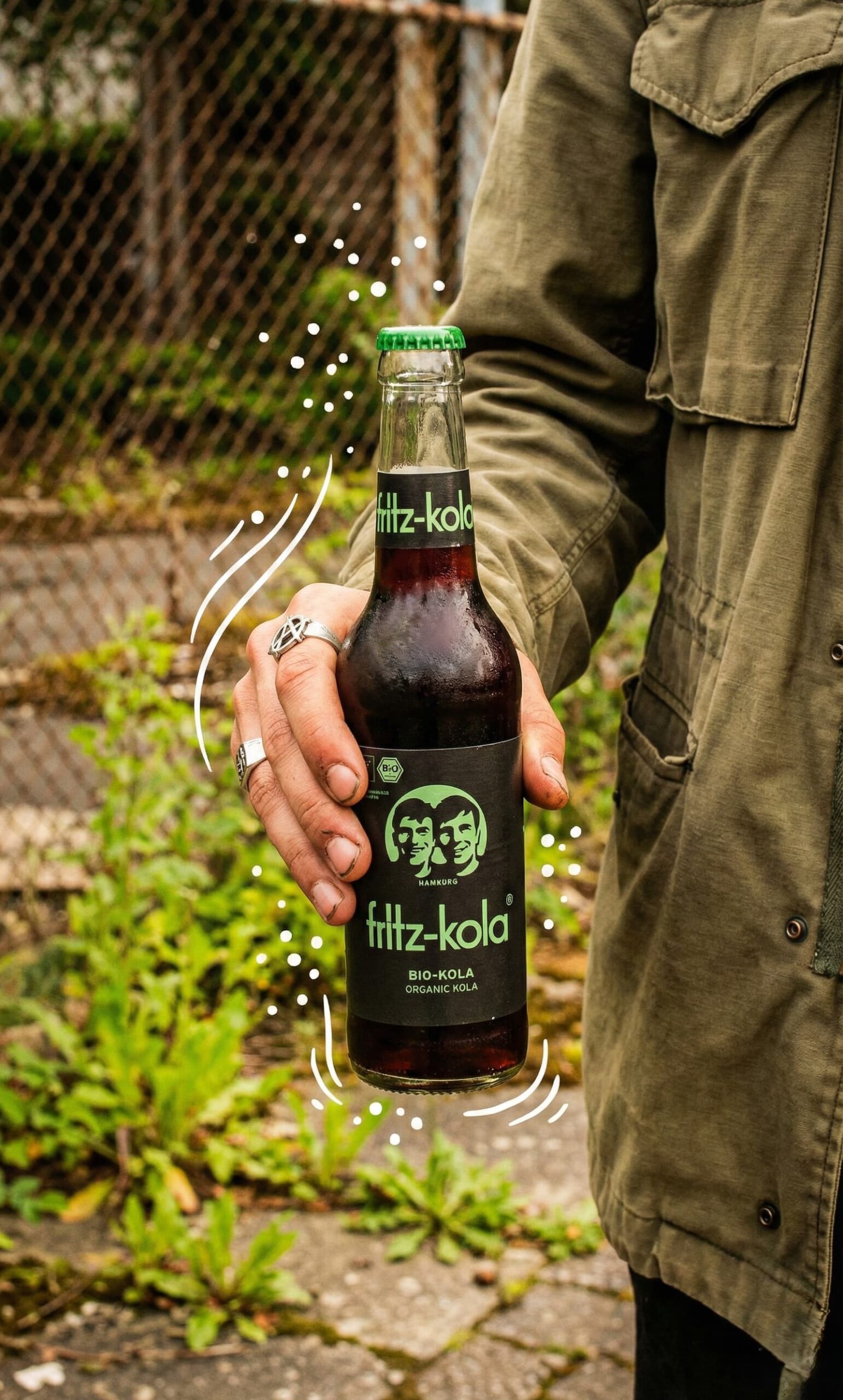
- In-hand usage (faces excluded to reduce identity distortion risk)
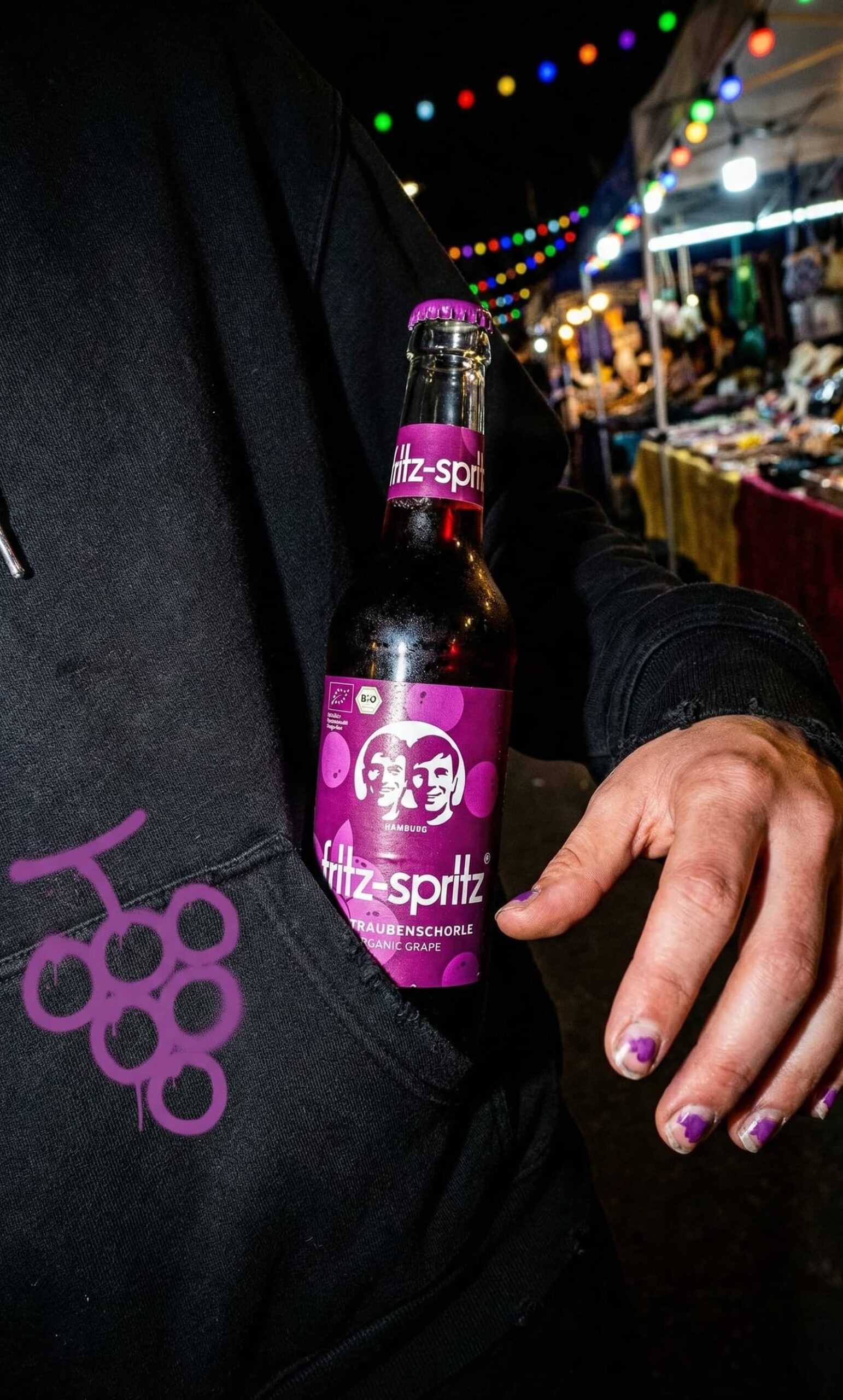
- Interior or cultural setting
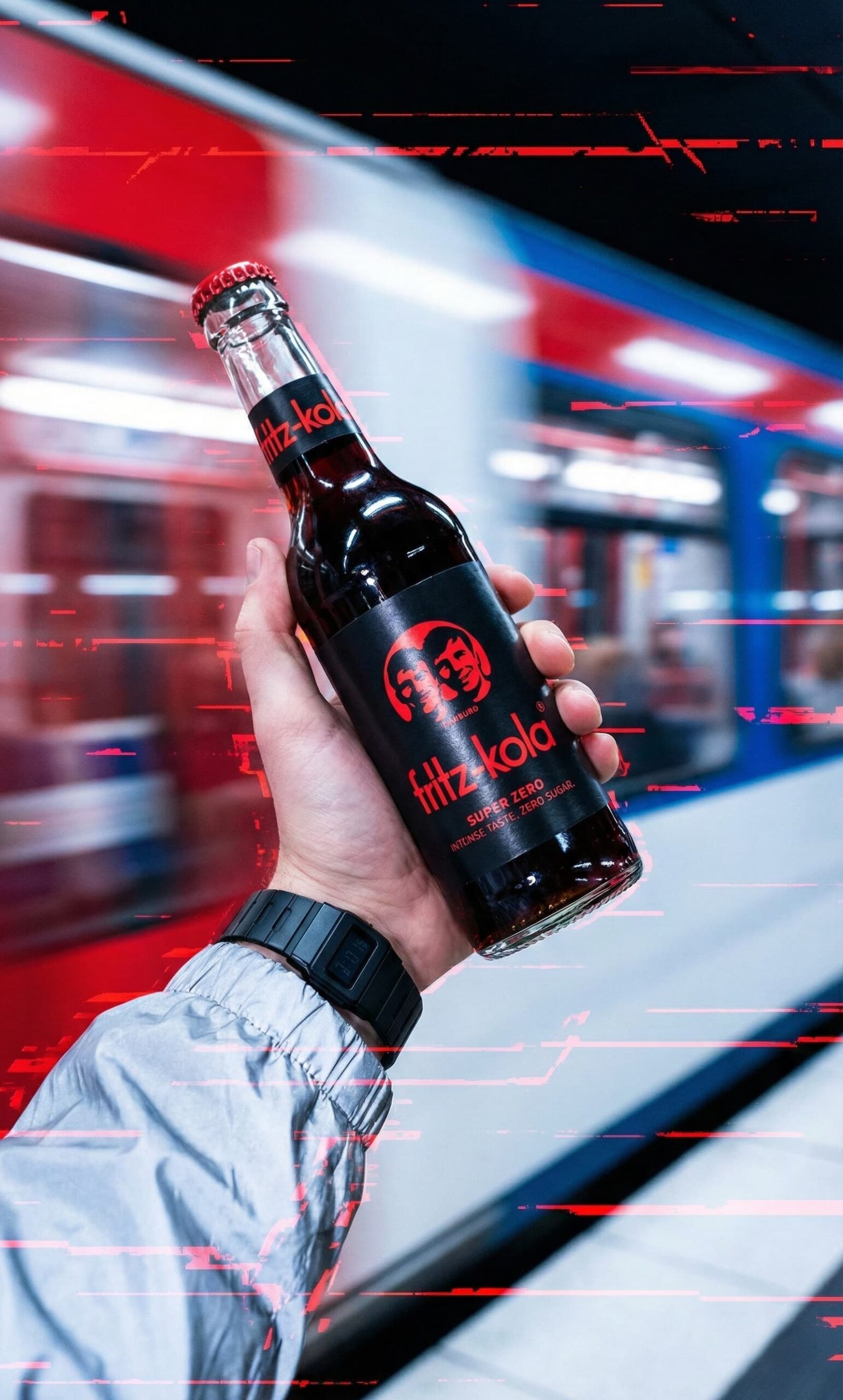
Every image tests a specific technical risk:
- Reflection accuracy
- Glass realism
- Environmental integration
- Label fidelity
- Color stability
The purpose is not volume production. The purpose is validation.
What AI Currently Does Well and Where It Fails
AI-assisted workflows can be effective for:
- Contextual variations
- Early-stage creative testing
- Rapid scenario prototyping
- Reducing reshoot friction
However, they remain unreliable for:
- Complex transparent materials
- High-gloss reflective environments
- Intricate packaging finishes
- Highly controlled studio lighting
Recognizing these limits is essential. In some cases, the correct conclusion remains traditional photography. AI should support brand teams and not compromise them.
Closing Thoughts
AI-assisted beverage imagery occupies a narrow space between efficiency and credibility. Used carelessly, it produces convincing but commercially unusable visuals. Used under strict constraints, it can extend brand presence into new contexts without diluting trust.
My approach is deliberately conservative. Because in FMCG categories, visual accuracy is not aesthetic preference, it is brand equity protection.
If you are part of a beverage brand or creative team evaluating AI imagery and want to explore it within a controlled, packaging-safe framework, feel free to reach out.
