
How controlled visual experiments across five industries revealed when AI imagery actually becomes usable for brands
I didn’t start this with a framework in mind.
I started with a simple question: can AI-generated imagery meet the visual standards that brands already require? Not «can it look impressive», but can it hold up inside a real brand’s visual ecosystem?
To find out, I ran structured experiments across five different industries: eyewear, fashion, skincare, beverage, and furniture. Same discipline, different products, different visual constraints.
A consistent pattern emerged. And it changed how I think about this technology entirely.
The problem isn’t the technology. It’s how people approach it.
Most AI imagery experiments begin with freedom. You write a prompt, describe a scene, and let the model interpret. The results are often visually striking.
But for brands, they fail. Predictably.
Frame geometry shifts. Packaging materials behave incorrectly. Lighting feels synthetic. The overall aesthetic drifts away from what the brand has spent years building.
The images may look interesting, but interesting isn’t the brief. Reliable is.



What actually works: constraint, not freedom
The most important discovery across all five experiments was this:
AI works best when the product remains the anchor.
Instead of generating scenes freely, the workflow starts from existing brand assets. Those assets define what cannot change:
- product geometry
- packaging accuracy
- material behaviour
- brand tone
- lighting logic
AI then extends those assets into new contexts. Not generates from scratch; extends.
That shift, from generation to extension, is where the real value lives.
What I found across five verticals
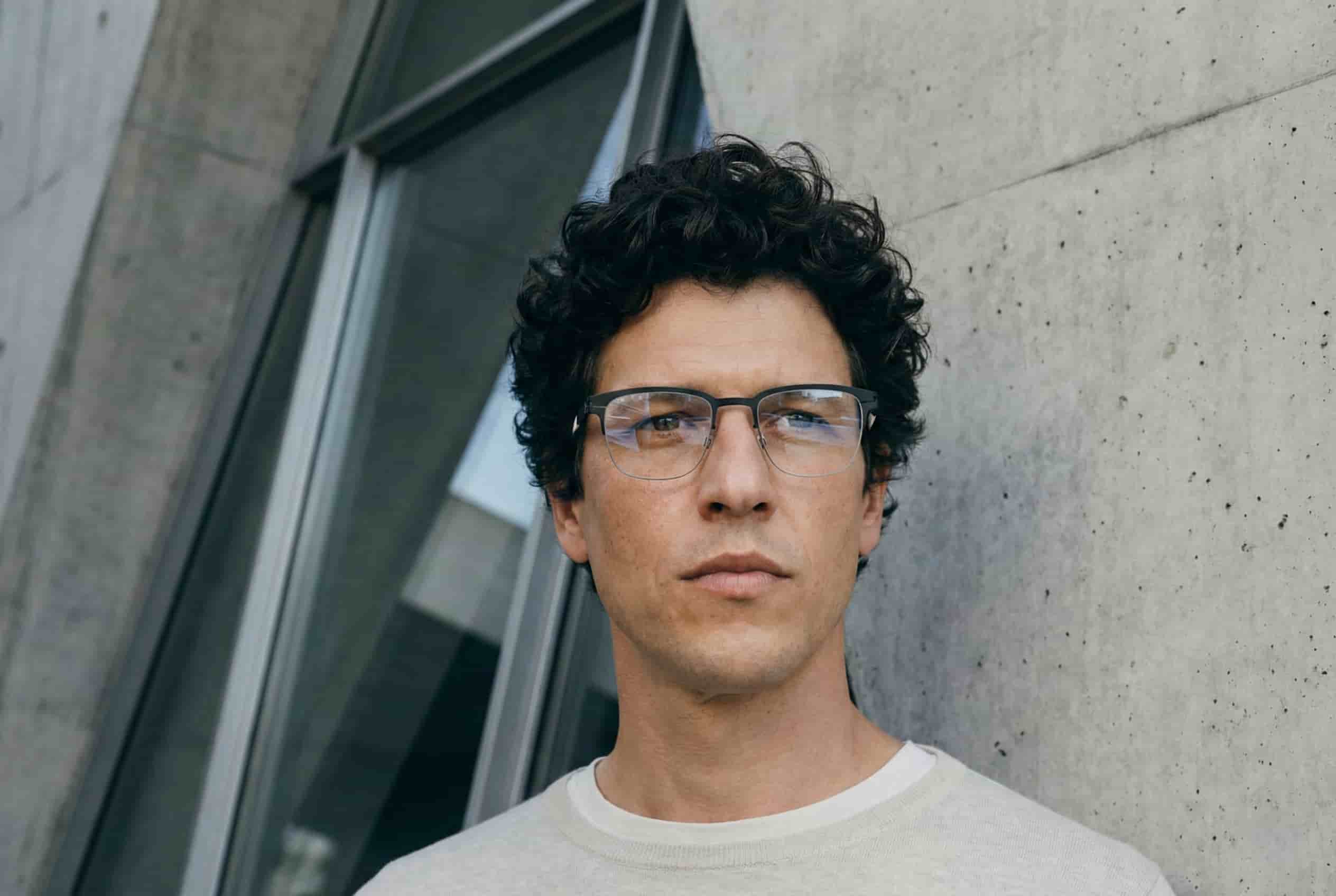
Eyewear — Optical products need millimetre-level accuracy. Even a slight change in frame shape or lens behaviour breaks the image immediately. The only results that worked were those where frame geometry stayed completely fixed throughout.
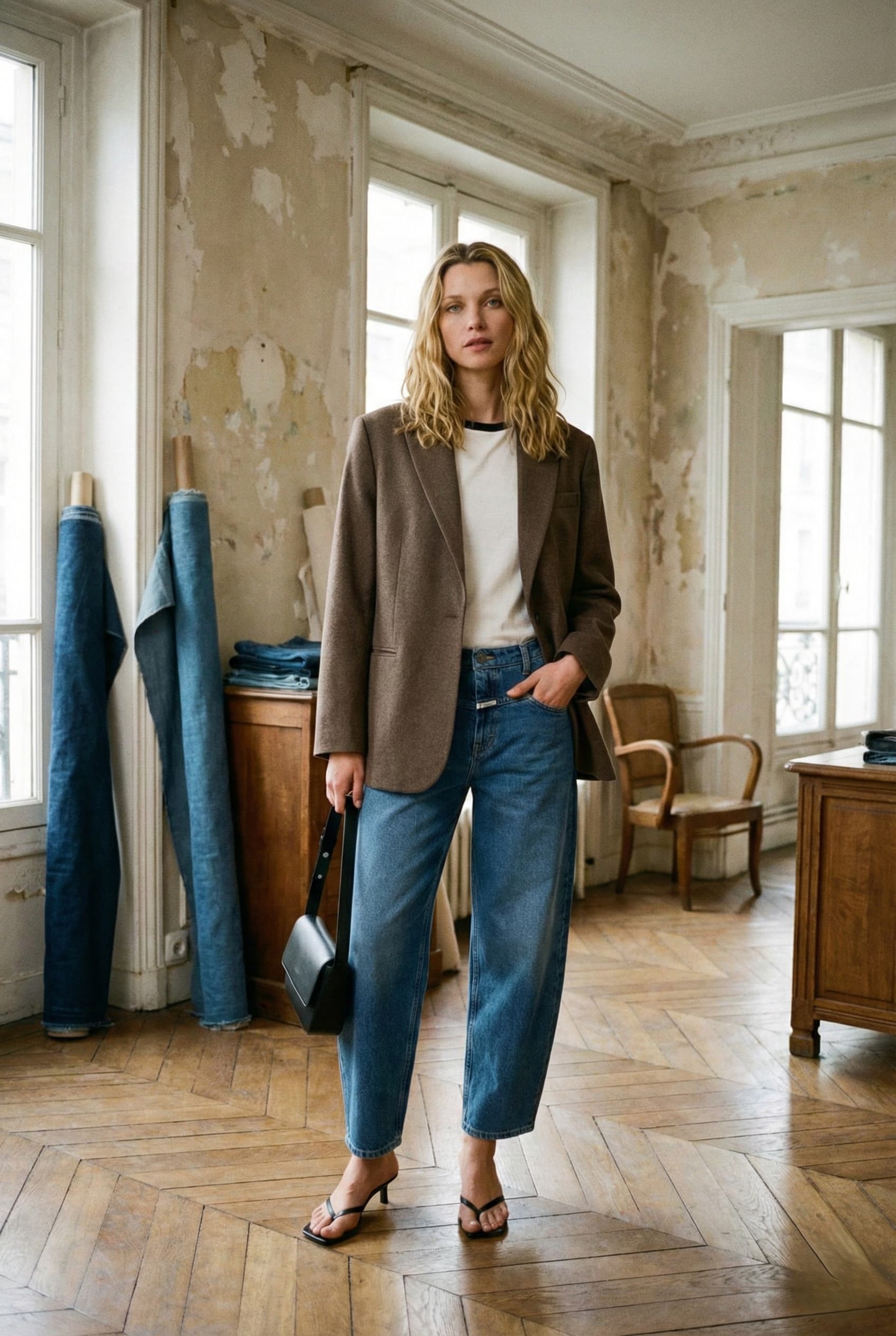
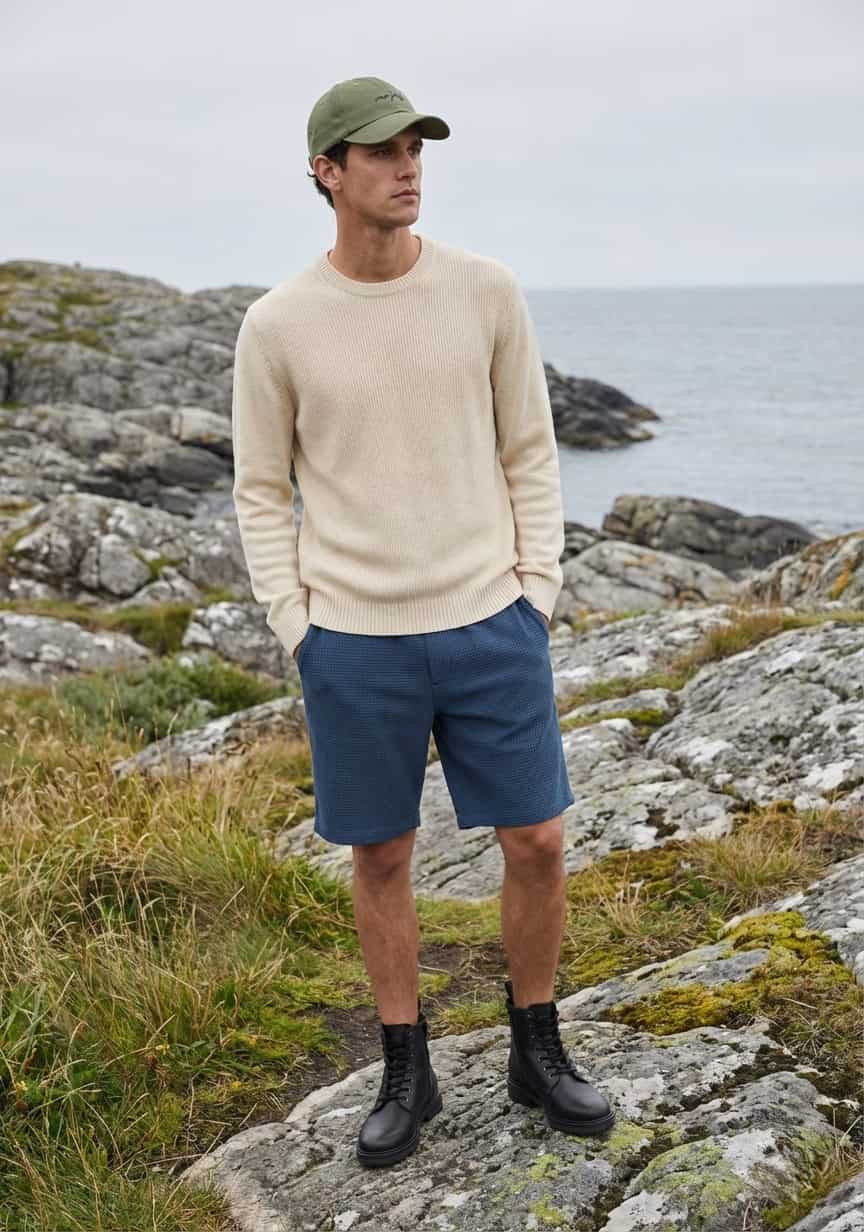
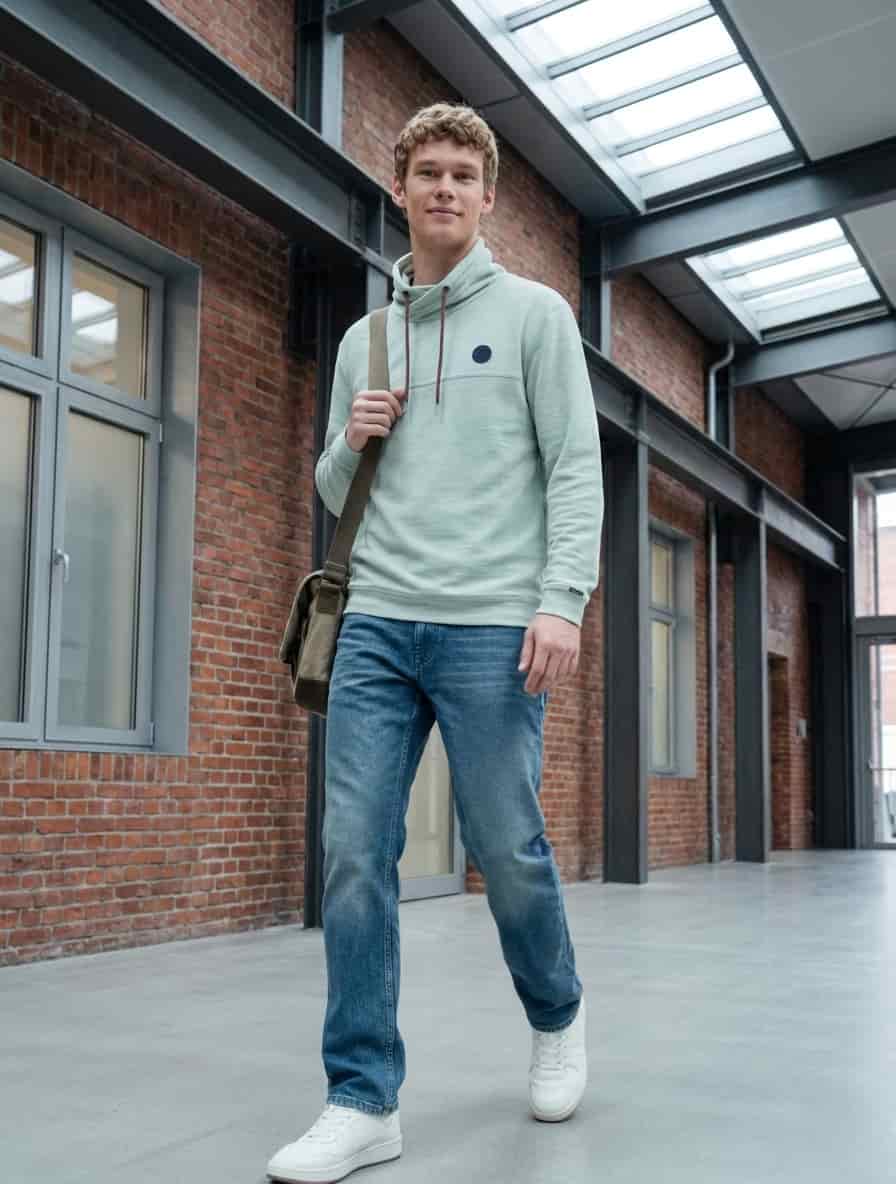
Fashion — Garment fit, posture, and fabric drape determine whether an image reads as real. The strongest results came from restrained styling choices where the garment stayed visually dominant. As soon as the styling competed with the product, realism collapsed.
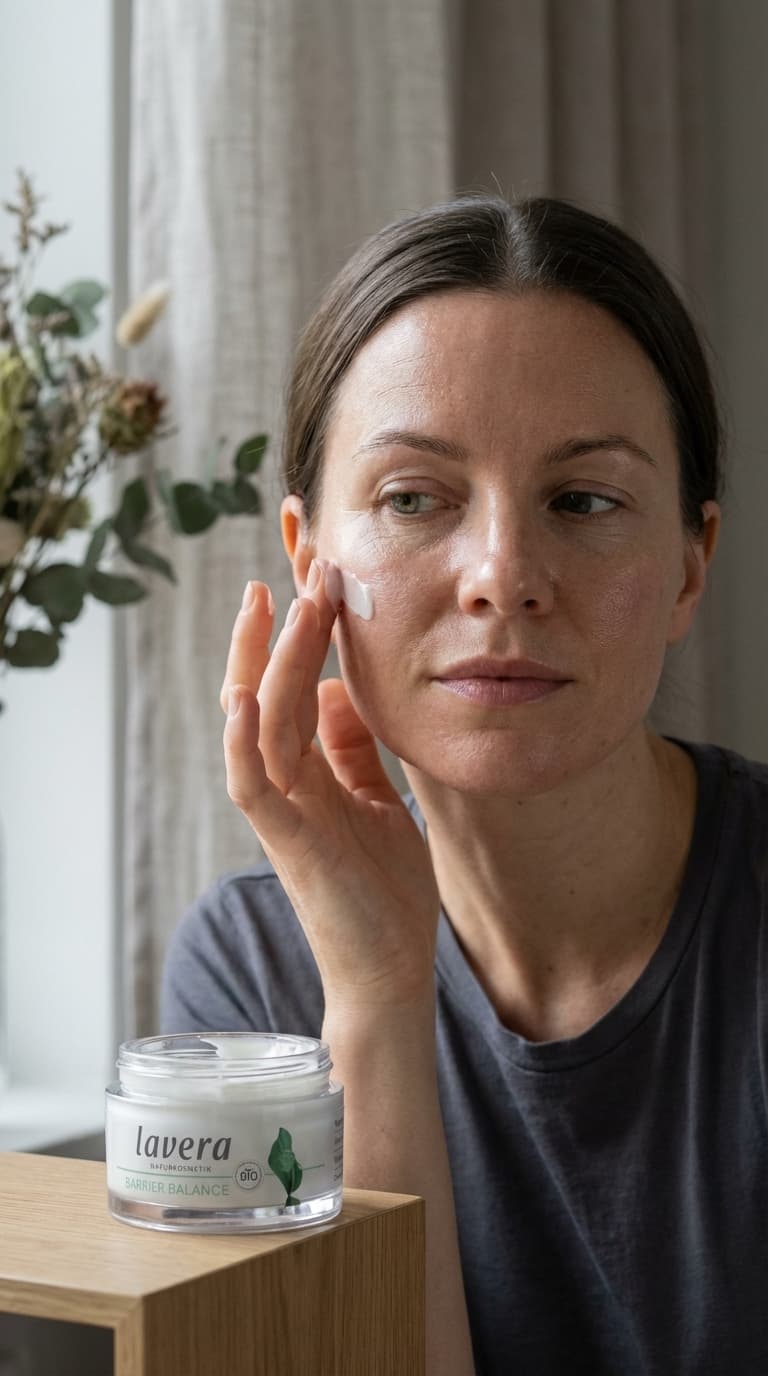
Skincare — Trust lives in packaging accuracy and skin realism. Over-smooth textures and exaggerated glow destroyed credibility faster than any other failure mode I observed. Restraint here isn’t optional, it’s the whole game.
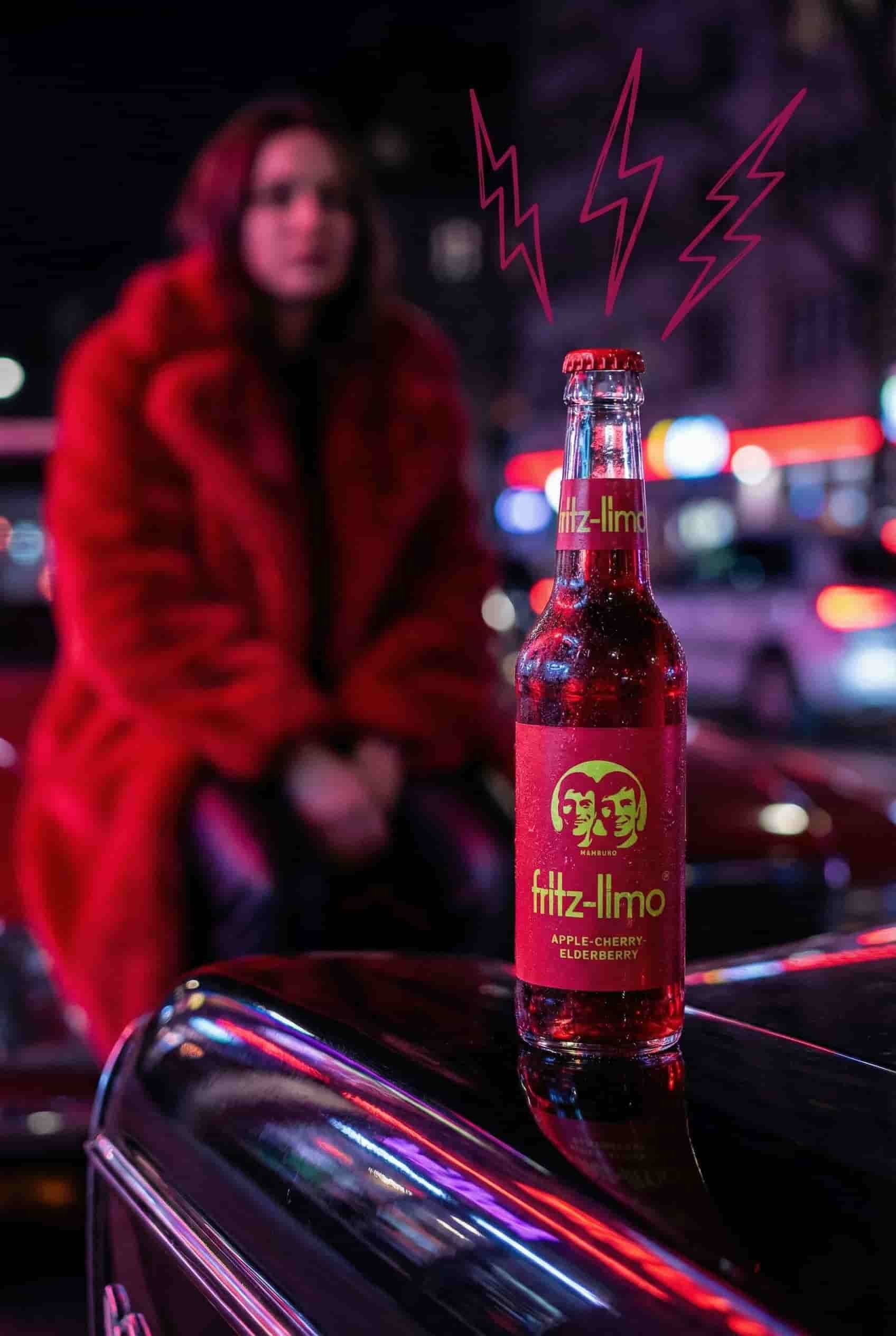
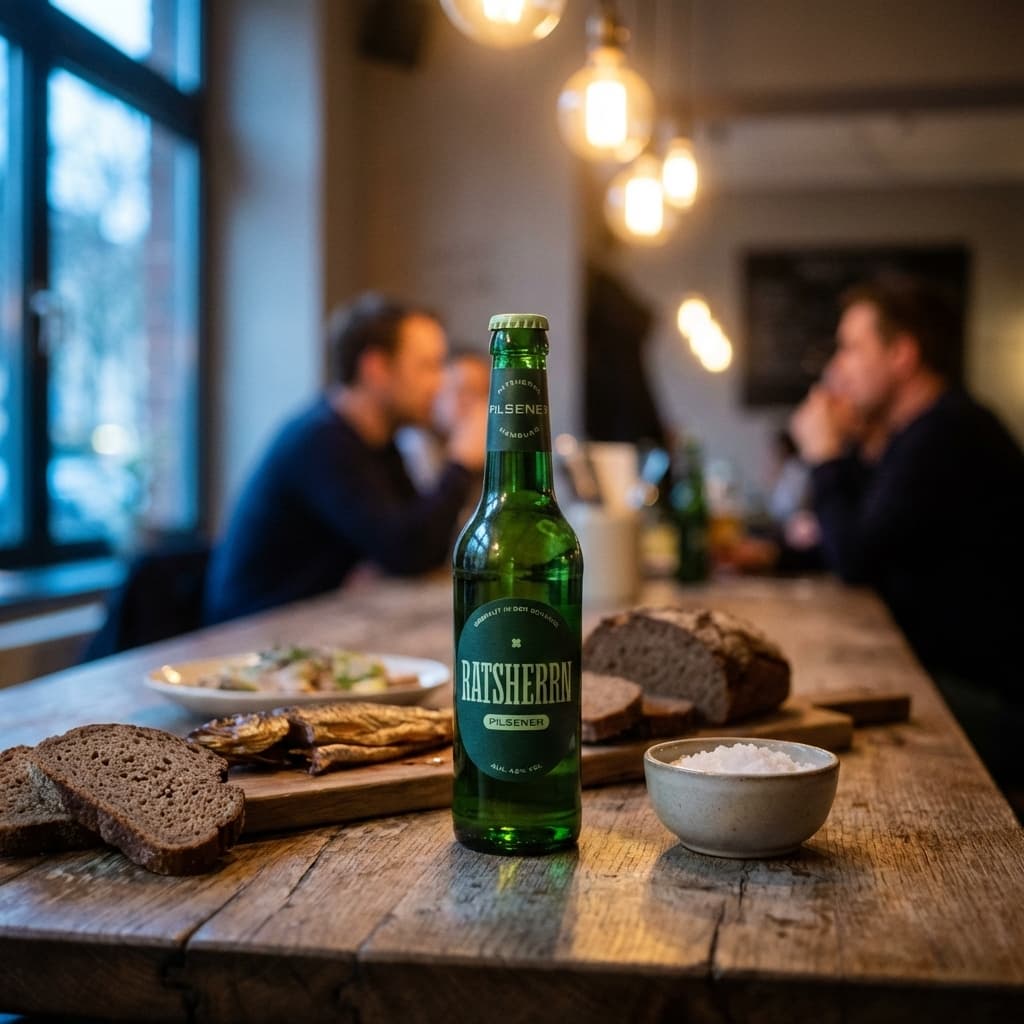
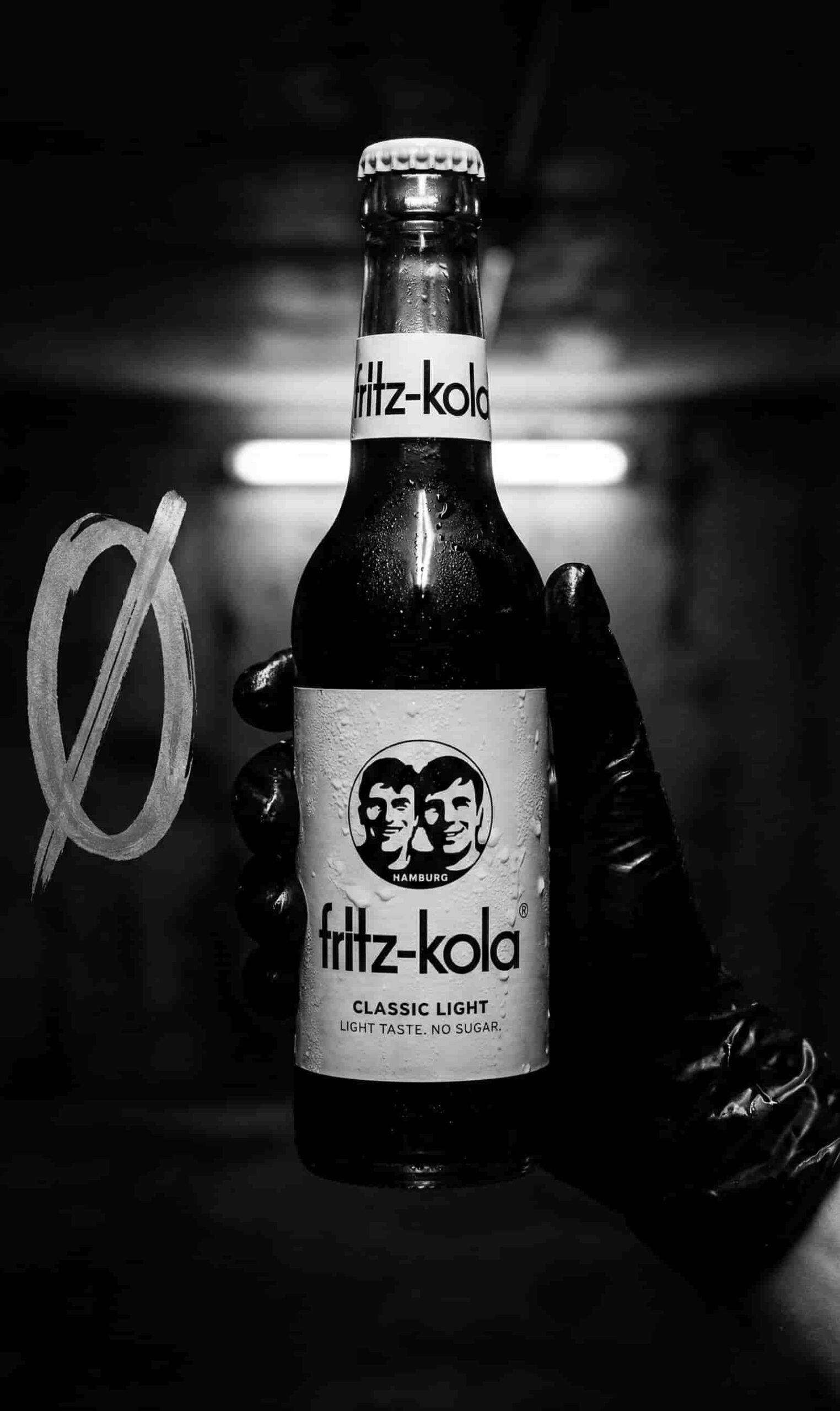
Beverage — Glass reflections, liquid colour, and condensation are physically complex. Without careful control, AI produces results that look slightly off in ways that are hard to articulate but immediately noticeable. Getting this right requires more iteration than any other vertical.
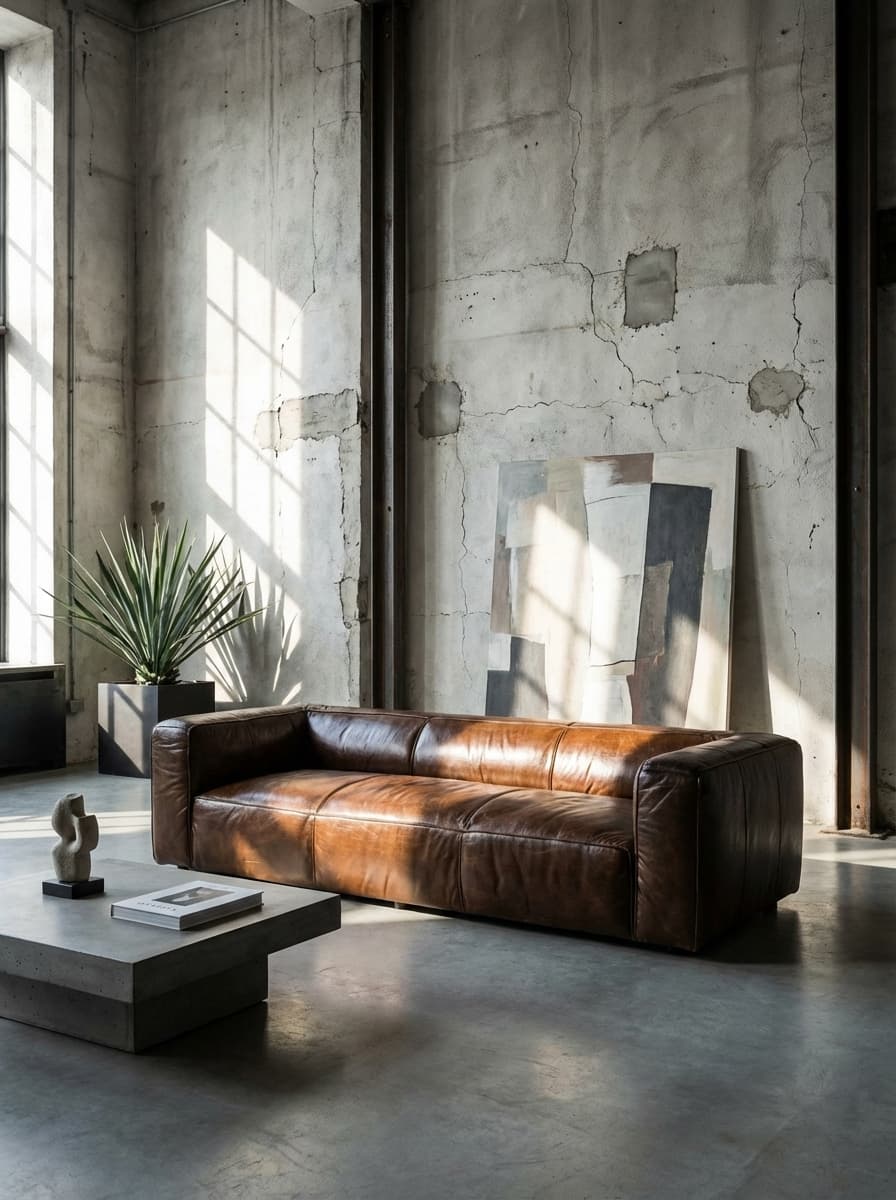
Furniture — Interior scenes depend on coherent spatial logic. Scale, lighting direction, and material behaviour all need to remain consistent with the environment. When any one of those breaks, the whole image stops reading as real.

The framework that emerged
Across all five verticals, five principles held consistently:
- Product anchoring. The product must remain visually unchanged. Packaging, materials, and proportions are the image’s credibility. They’re not negotiable.
- Environmental restraint. Environments support the product, they don’t compete with it. Overly styled scenes almost always weaken realism rather than strengthen it.
- Natural lighting. Soft daylight produces the most believable results, consistently. Artificial lighting introduces visual inconsistencies that are difficult to resolve in post.
- Controlled variation. Small contextual shifts, not dramatic scene generation. Subtle variation is how brand coherence gets preserved across a set of images.
- Brand discipline. Every image has to feel compatible with the brand’s existing visual ecosystem. If it looks like it came from somewhere else, the experiment has failed, regardless of how good it looks in isolation.
Where this actually has value
This approach works well for:
- PDP contextual imagery
- CRM and editorial content
- Environment testing before committing to physical production
- Visual experimentation during campaign planning
It is not a replacement for campaign hero photography, large-scale brand productions, or high-end editorial shoots. I want to be clear about that.
The value of AI imagery is in what happens between experimentation and production, not instead of it.
Why brands should think of AI as an experiment layer
The real case for AI imagery isn’t cost reduction. It’s risk reduction.
Before committing to a full production, brands can explore new environments, test contextual narratives, and evaluate product placement scenarios. That’s genuinely useful and it changes the role of AI from disruptive technology to decision-support tool for visual strategy.
That reframing is, I think, the one that will make this technology stick.


A consistent conclusion
Across every vertical I tested, the result was the same.
AI imagery becomes usable for brands only when it operates under the same discipline that already governs brand photography. When treated as controlled experimentation it can responsibly extend visual production workflows.
That narrow space between experimentation and constraint is where the technology becomes genuinely valuable. And that’s where I’m building.
